


Fight High But Fight Right!
For most people a romantic relationship is the very center of their lives. It provides deep personal fulfilment, feeling of contentment and an overall sense of satisfaction in one’s very existence.
A trusting and positive relationship elicits psychological wellness, as well as other significant intimate interactions such as friendship, which enriches the individuals’ lives with love, support,
encouragement and understanding.
According to research, most married couples expect their marriage to last a lifetime.

In contrast, getting married does not always equate to being in a healthy and mutually gratifying relationship. Besides commitment, marriage is a lifelong training for both partners in learning how to integrate themselves into each other’s lives. This process doesn’t necessarily come naturally and its implications are often underestimated. In order to protect their rapport from adverse dynamics, partners require a conscious effort in enhancing their self-awareness and pursuing personal growth.
It is perfectly normal for couples to undergo a temporary crisis or state of persistent strain, however the extent of their inability to use emotional intelligence to guide their thought process often could be dysfunctional towards conflict resolution. Fulfilment may be out of reach when a partner lacks the ability to regulate and harness their own emotions and apply them to problem solving.
As a result, they fail to adopt functional behavior to address their relationship problems, tackle difficulties and work through the fundamental issues that everyday life presents.
Quite often, discrediting attitudes which undermine personal affirmations, in combination with the inability to manage anger and consistent criticism may significantly compromise the relationship leading to progressive disengagement.
To prevent separation, it is crucial to establish which aspects would enhance a gratifying partnership, reinforce stability and ennoble the relationship. It is also essential to highlight factors that may threaten the relationship especially during disagreement.

Despite any kind of resentment, frustration or sorrow during turbulent times, partners who emphatically listen to their companions and genuinely attempt to find out exactly what they are feeling, have a greater chance to re-shape their relationship and stay connected.
Over the long-term in contrast, those whose attitudes are based on a permanent negative approach to the argument would have much less of a chance: their criticisms and cynicism are often directed towards the partner who may react by withdrawing from the discussion or escalating to anger and resentment and finally resigning to bitterness.
Research confirms that a partner’s inability to cope with anger, impulsiveness and repetitive destructive behaviors often damages the marriage beyond repair exacerbated individuality, inclinations to judge or shift blame may undermine the closeness of the couple and impair their original purpose and meaning of the relationship, leading to fractures in the marriage and sometimes to its end.
Research shows that successful partners are more skilled in empathizing when dealing with adversities and crises in their relationship. Compared to those who are less skilled in empathizing, they are more likely to regard their partners with more respect, dignity and kindness. They are more perceptive in understanding the body language of their spouse; they clearly understand the perception they create with their words and own behaviours towards others and they know how to deal with the concerns of their partners.
They value their partner’s feelings, they are attentive to their concerns, they are interested in their motivations. These emotional skills allow them to better understand their spouses’ point of views together with their uncertainties and needs.
In addition, partners who are more skilled in empathizing are more inclined to discuss openly with each other about their feelings and share genuinely about their doubts and reservations even if they are reticent.
Influential studies in this field have demonstrated that partners in successful couples do not cease to generate positive affirmations while arguing: rather than discredit their partners they endorse a clear mindset regarding attitudes of mutually affirming behaviors.

Although they fight a lot, when dealing with substantial disagreements, they continue to respect each other, emphasizing their interpersonal struggle. They continue to be compassionate while raising the topic of their complaints, so their interactions are still mediated by fondness and care. These couples are also willing to apologize or forgive when necessary.
Within this premise, empathy-skilled partners are able to express their different opinions while integrating their point of views, compromise their expectations and sort their disputes.
Research has clearly demonstrated that partners reporting a happier marriage are constantly engaged in generating positive feelings within their interactions. Data show that in these couples, partners are more engaged in making their spouse feel special, cared for and loved just by doing small actions of appreciation towards them.
Moreover, they celebrate small achievements, highlight good moments, and support their partners during positive events. Feelings that are generated under these circumstances are highly related to happier relationships.
On the other hand, good feelings generated by the emotional support received in time of negative events were not found to be related to a happier marriages. In fact, research shows that the distress caused by bittern life events distracted troubled partners from the appreciation of the positive support they received while dealing with their concerns.

It is not surprising to discover that boredom and isolation in couples is significantly related to marital dissatisfaction. Research demonstrates that partners that interact positively using humor, and laughter keep their situations lively and stimulating. In addition, partners who spend more time together in leisure activities report greater feelings of closeness and connection in their marriage.
The positive feelings from enjoyment and the experience of pleasant activities has a significant role in preventing couple crises.
This is the reason why it is so important to break out of the routine by trying new things, exploring new places, taking classes together or opening to new opportunities.
Healthy couples nurture, support and comfort each other. They are more inclined to spend time sharing deeply about their personal hopes and dreams. They are greatly and mutually interconnected at a cognitive, emotional and at a behavioral level so that they get to know each other from simple preferences and wishes to the deepest core of their inner being.
This kind of rapport creates a shared meaning in their bonding and a fruitful purpose in their relationship over the long term.
For these kind of partners, disagreements and fights represent important means of personal growth, which constructively cement their marriage while enhancing their overall physical and mental health conditions.
However, some fighting styles are particularly devastating. So often people get entrenched in their position; whose are short tempered are likely to flare, rise voices and be defensive, aggressive or violent.
When partners repeatedly engage in heated power struggles or employ conflict avoidance, individual and couple sessions are effectively beneficial to address these particular aspects of the relationship.
While in therapy partners can learn how to improve their interactions by means of seeing the relationship in a more objective manner and change the way they behave with each other. In therapy, they have the opportunity to bring out their emotions and thoughts that they are fearful to express to the other person. Moreover, by exploring their couple dynamics, they can become aware of their unconscious games they play and discover the vicious cycle they are stuck in.
Successful therapy depends on each partner’s motivation and dedication to the process: their readiness and extent to acknowledge their role in the relationship, question themselves and delve into their personal issues.
Unfortunately, most of the couples seek help after the sense of negativity and tension has escalated and reached levels in which partners are deaf to each other’s efforts at making a respectful conversation.
Often the problems is that the more time they wait, the more difficult it may be to repair the relationship.
Although partners often strive to rescue their relationship and make a true effort in engaging and committing themselves to resolve their conflicts and disputes, in some cases they come into therapy having already decided to separate. They may pursue therapy in order to end the relationship amicably and respectfully.

Since almost all relationship problems arise from deficient communication, couples should take into serious account acquiring tools to prevent unhealthy communication styles.
It seems also fundamental to strengthen the union of the couple by means of improving personal awareness, increasing understanding, developing and expanding mutual respect.
Lack in these skills in spouses’ conflict management can be irremediably damaging, procuring disengagement, withdrawal and may lead them into mental health issues.
Sessions of couple therapy would be highly recommended for couples who are preparing for getting married: by becoming emotionally well equipped to deal with their arguments and resolve their conflicts effectively, partners will be empowered towards fighting constructively. They will experience a happier and successful marriage and sensibly reduce any risk of divorce.
Dr Anna Grazia Lecca PhD
Senior Clinical Psychologist
REFERENCES
Abramowitz JS et al. Treating obsessive-compulsive disorder in intimate relationships: a pilot study of couple-based cognitive behavior therapy. Behav Ther. 2013 Sep;44(3):395–407
Balfour A, Lanman M. An evaluation of time-limited psychodynamic psychotherapy for couples: a pilot study. PsycholPsychother. 2012 Sep;85(3):292–309.
Belus JM, Baucom DH, Abramowitz JS. The effect of a couple-based treatment for OCD on intimate partners. J Behav TherExp Psychiatry. 2014;45(4):484–488
Brouwers M, Kho ME, Browman GP, Burgers JS, Cluzeau F, Feder G, et al. AGREE II: advancing guideline development,reporting and evaluation in healthcare. CMAJ [Internet]. 2010 Dec;182(18):E839–E842. [cited 2014 Oct 14];
Carr A. The evidence base for couple therapy, family therapy and systemic interventions for adult-focused problems. Journal of Family Therapy. 2014;36(2):158–194.
Collins AL, Love AW, Bloch S, Street AF, Duchesne GM, Dunai J, et al. Cognitive Existential Couple Therapy for newly diagnosed prostate cancer patients and their partners: a descriptive pilot study. Psychooncology. 2013 Feb;22(2):465–469.
Conradi HJ, De JP, Neeleman A, Simons P, Sytema S. Partner attachment as a predictor of long-term response to treatment with couples therapy. J Sex Marital Ther. 2011;37(4):286–297.
Dalgleish TL, Johnson SM, Burgess MM, Lafontaine MF, Wiebe SA, Tasca GA. Predicting change in marital satisfaction throughout emotionally focused couple therapy. J Marital Fam Ther. 2014 Jun 9
Dalton EJ, Greenman PS, Classen CC, Johnson SM. Nurturing connections in the aftermath of childhood trauma: A randomized controlled trial of emotionally focused couple therapy for female survivors of childhood abuse. Couple and Family Psychology: Research and Practice. 2013;2(3):209–221.
Dobson, K.S. (1989). A meta-analysis of the efficacy of cognitive therapy for depression. Journal of Consulting and Clinical Psychology, 57, 414-419.
Doss BD, Rowe LS, Morrison KR, Libet J, Birchler GR, Madsen JW, et al. Couple therapy for military veterans: overall effectiveness and predictors of response. Behav Ther. 2012 Mar;43(1):216–227.
Edwards, M.E. & Steinglass, P. (1995). Family therapy treatment outcomes for alcoholism. Journal of Marital and Family Therapy, 21(4), 475-509.
Epstein, E.E. & McCrady, B.S. (1998). Behavioral couples treatment of alcohol and drug use disorders: Current status and innovations. Clinical Psychology Review, 18(6), 689-711.
Fals-Stewart, W., Birchler, G.R. & O’Farrell, T.J. (1996). Behavioral couples therapy for male substance abusing patients: Effects on relationship adjustment and drug-using behavior. Journal of Consulting and Clinical Psychology, 64(5), 959-972.
Feld, B.G. (1997). An object relations perspective on couples group therapy. International Journal of Group Psychotherapy, 47, 315-332.
Feld, B.G. (1998). Initiating a couples group. Group, 22, 245-259.
Greenberg L, Warwar S, Malcolm W. Emotion-focused couples therapy and the facilitation of forgiveness. J Marital Fam Ther. 2010 Jan;36(1):28–42.
Hahlweg, K., Revenstorf, D. & Schindler, L. (1982). Treatment of marital distress: Comparing formats and modalities. Advances in Behaviour Research and Therapy, 4, 57-74.
Haley, J. (1976). Problem-Solving Therapy: New Strategies for Effective Family Therapy. San Francisco: Jossey-Bass. Kamalabadi MJ, Ahmadi SA, Etemadi O, Fatehizadeh M, Bahrami F, Firoozabadi A. A study of the effect of couple dialectical behavioral therapy on symptoms and quality of marital relationships and mental health of Iranian borderline personality couples: A controlled trial. Interdisciplinary Journal of Contemporary Research in Business [Internet]. 2012 3(9):1480–1487. [cited 2014 Sep 26];
Klann N, Hahlweg K, Baucom DH, Kroeger C. The effectiveness of couple therapy in Germany: a replication study. J Marital Fam Ther. 2011 Apr;37(2):200–208.
Kroger C, Reisner T, Vasterling I, Schutz K, Kliem S. Therapy for couples after an affair: a randomized-controlled trial. Behav Res Ther. 2012 Dec;50(12):786–796
Lebow JL, Chambers AL, Christensen A, Johnson SM. Research on the treatment of couple distress. J Marital Fam Ther. 2012 Jan;38(1):145–168.
Lee BK, Awosoga O. Congruence couple therapy for pathological gambling: a pilot randomized controlled trial. J Gambl Stud. 2014 May 17
Makinen JA, Johnson SM. Resolving attachment injuries in couples using emotionally focused therapy: steps toward forgiveness and reconciliation. J Consult Clin Psychol. 2006 Dec;74(6):1055–1064.
Manne SL, Kissane DW, Nelson CJ, Mulhall JP, Winkel G, Zaider T. Intimacy-enhancing psychological intervention for men diagnosed with prostate cancer and their partners: a pilot study. cited 2014 Oct 3; J Sex Med [Internet]. 2011 Apr;8(4):1197–1209]
McLean LM, Walton T, Rodin G, Esplen MJ, Jones JM. A couple-based intervention for patients and caregivers facing endstage cancer: outcomes of a randomized controlled trial. Psychooncology. 2013 Jan;22(1):28–38.
National Institute for Health and Clinical Excellence. Depression in adults: the treatment and management of depression in adults [Internet] London: NICE; 2009.
Navidian A, Bahari F. The impact of mixed, hope and forgiveness-focused marital counselling on interpersonal cognitive distortions of couples filing for divorce. J Psychiatr Ment Health Nurs. 2014 Sep;21(7):658–666.
Rowe LS, Doss BD, Hsueh AC, Libet J, Mitchell AE. Coexisting difficulties and couple therapy outcomes: psychopathology and intimate partner violence. J Fam Psychol. 2011 Jun;25(3):455–458.
Schumm JA, O’Farrell TJ, Murphy CM, Fals-Stewart W. Partner violence before and after couples-based alcoholism treatment for female alcoholic patients. J Consult Clin Psychol [Internet]. 2009 Dec;77(6):1136–1146
Sexton T, Gordon KC, Gurman A, Lebow J, Holtzworth-Munroe A, Johnson S. Guidelines for classifying evidence-based treatments in couple and family therapy. Fam Process. 2011 Sep;50(3):377–392.
Vizheh M, Pakgohar M, Babaei G, Ramezanzadeh F. Effect of counseling on quality of marital relationship of infertile couples: a randomized, controlled trial (RCT) study. Arch Gynecol Obstet. 2013 Mar;287(3):583–589.
Whiting PF, Rutjes AW, Westwood ME, Mallett S, Deeks JJ, Reitsma JB, et al. QUADAS-2: a revised tool for the quality assessment of diagnostic accuracy studies. Ann Intern Med. 2011 Oct 18;155(8):529–536.
If you would like to talk, feel free to reach out to us. An LifeWorks therapist would be able to help.
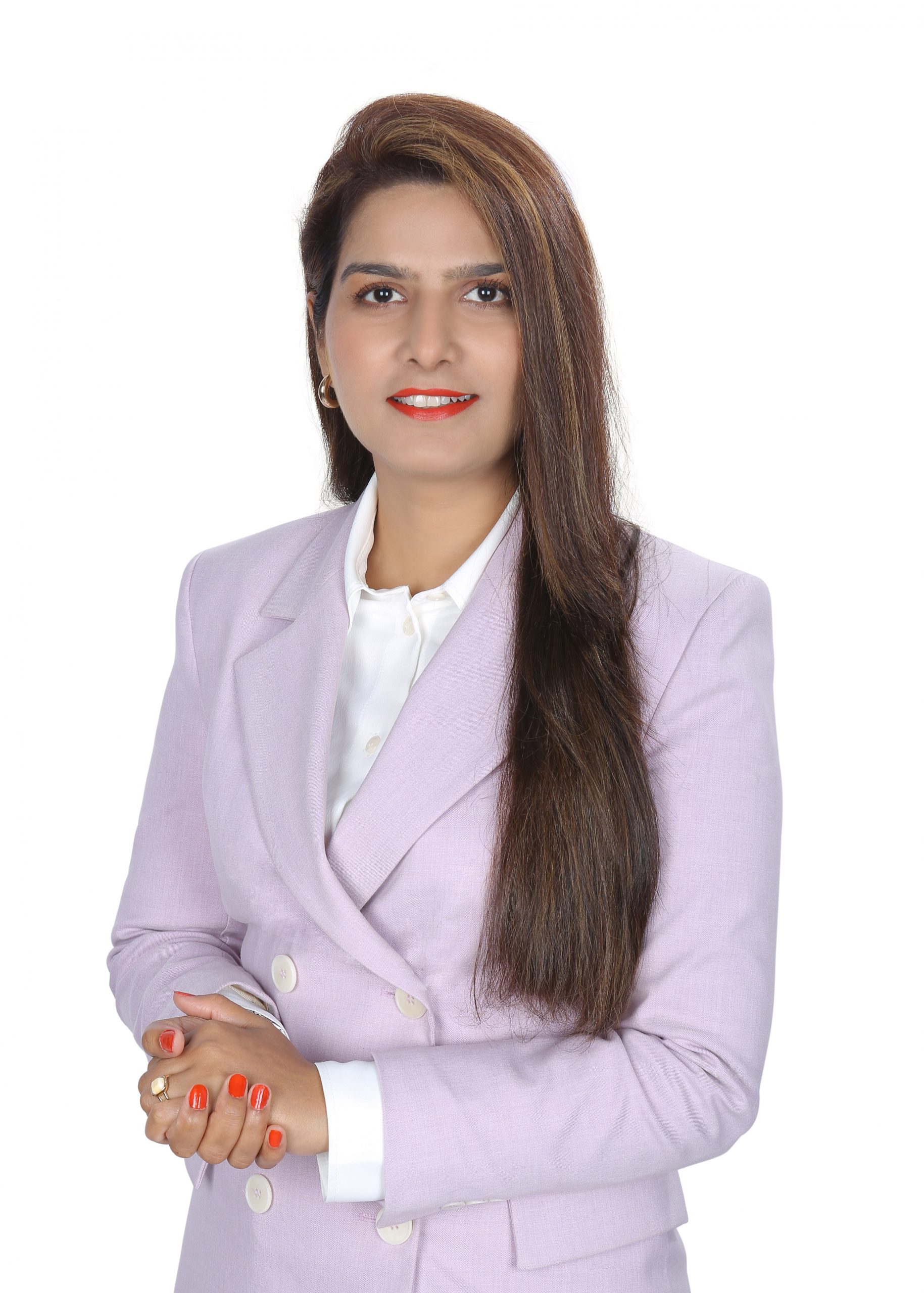
I’m Dr. Saba Aslam, Licensed Clinical Psychologist at LifeWorks. I have more than seven years of experience working in this field with all age groups as children, adolescents, adults and older.
I have worked with the patients having diverse mental health issues as stress, depression, anxiety, emotional behavioral problems, anger issues, intellectual disability, attention deficit hyperactivity disorder, autism spectrum disorder, obsessive compulsive disorder, interpersonal relationship problems, self-esteem issues, decreased self-confidence, or trust issues, adjustment problems, stress and coping related to developmental changes and physical or sexual abuse in children or adolescents.
I am proficient in using protective techniques, IQ tests, personality tests and other psychological and neurodevelopmental assessment protocols. I prefer to combine elements of various approaches, including humanistic, psychoanalytic/ psycho dynamic, gestalt, cognitive behavioral therapy, behavior modification, social skills trainings, dialectical behavior therapy and applied behavior analysis.
Education and Training:
-
PhD Clinical Psychology.
-
MS/M. Phil Clinical Psychology.
-
CBT Certification: Cognitive Behavior Therapy Practitioner Course.
-
Two Research Rewards for Excellent Research Publications
Qualifications and Memberships:
-
Dubai Health Authority Licensed Psychologist (DHA)
-
CBT Certification: Cognitive Behavior Therapy Practitioner Course.
-
Member American Psychological Association # C2203825762
-
Member Australian & New Zealand Mental Health Association (ANZMH)
-
Member International Society of Substance Use Professionals (ISSUP).
-
Member Pakistan Association of Clinical Psychology (PACP).
Languages:
-
English, Urdu, Hindi

About
Raised and educated in Italy, Dr. Lorena is a highly experienced Cognitive Behavioural Clinical Psychologist-Psychotherapist. She achieved her 5 years Bachelor/Master Degree in Clinical Psychology at Padua University (Italy) and further she completed her professional profile with a 4 Years Master Specialization in Como (Italy) at the Post Bachelor Specialization School in Cognitive Therapy.
She also has a Master in Counselling at Brescia University (Italy) and completed level 1 and 2 training in EMDR.
She has been working as a Psychologist /Psychotherapist for 20 years in both Public, Private Hospitals and outpatients clinics.
In addition to her clinical skills experience, Dr Lorena has had an extensive involvement in teaching, clinical research and publications in different fields such as Binge Eating Disorders and Psychological Rehabilitation after heart attack.
After moving to Dubai in 2012 Dr. Lorena got a DHA Licence as Clinical Psychologist and provides psychological treatments in a wide range of mental health and emotional issues.
Qualifications
- Master’s Degree in Clinical Psychology-University of Padua(Italy)
- Postgraduate degree in Cognitive Therapy – Postgraduate School of Como (Italy)
- Postgraduate degree in Counselling-University of Brescia (Italy)
- EMDR- level 1 and 2
- Couple Therapy Gottman Method -Level1
- Member of Italian Society of Psychologists-Pychotherapists – Lombardy Region
- Member of CBT–Italy
- Dubai Health Authority Licence
Expertise
- Anxiety Disorders ( Panic attack, Generalized Anxiety, Social Phobia, Specific Phobia , Obsessive Compulsive Disorders)
- Mood Disorders ( Major Depression , Post partum Depression, Cyclothymia, Dysthymia) Adjustment Disorders
- Personality Disorders (Narcissistic Personality Disorder. – Avoidant PD- Dependent PD.)
- Eating Disorders -Anorexia-Bulimia- Binge Eating Disorder
- Relational Difficulties
- Worry and Rumination
- Workplace stress and burnout
- Self- esteem
- Parent training
- Post -Traumatic Stress Disorder
- Coping with Emotional and psychological problems during Covid19
Therapies
- Cognitive Behavioural Therapy ( third wave approach)
- Post-Rationalism Cognitive Therapy approach
- Attachment theory approach
- Mindfulness Approaches
- EMDR
- Marital/couple Therapy ( Gottman approach)

About
Maryam has master’s degree in Relationship therapist and has been working in the Mental Health field since 2009. She believes that therapy is a collaborative process and she kindly guides clients to increase self-awareness, gain new perspectives, decrease symptoms, and increase personal strengths to have a more meaningful life experience.
Throughout her career, Maryam has worked with adults, adolescents, and children, across various settings, including private practice and outpatient primary care clinics, in Netherlands and UAE. She has been working as a psychologist in UAE since 2013.
Maryam has extensive experience in applying various Social worker including Neurofeedback therapy, ABA (behavior) therapy, Counseling and relationship therapy.
In her clinical practice, Maryam helps the individuals t
- Manage their moods and emotions
- Process anxiety
- Reduce levels of general distress and discomfort
- Increase attention and the ability to focus
- Improvement of memory
- Treatment of headache and migraine
Maryam uses a warm, empathetic approach to create a safe and nonjudgmental space where clients can learn, grow, and achieve their goals. She makes sure to offer flexibility, meet the individuals where they are, and have patience to help each individual feel secure throughout the process. She always encourages open communication regarding the course of therapy and goal achievement.
Education
- Master of Relationship therapist/System therapy VU University, Amsterdam
- Bachelor of Social Work (BSW), Hogeschool University of Holland, Enschede
- Neurofeedback therapist
Board Certifications:
- Community Development Authority License (CDA), Dubai, UAE
- Certificate of completion the Biofeedback and Neurofeedback of New York.
Languages
- English
- Dutch
- Persian
- German

About
Ritasha Varsani is a CDA licensed Psychologist practicing in Dubai. She has an experience of over ten years in providing psychotherapy to a diverse population in a mental health settings in India and United States. She has been professionally trained from USA and her expertise lies in Marriage, Family and Child Therapy. She offers problem solving insights with evidence based therapies to clients giving them the strength to express themselves and promotes equal privilege is what she believes in.
“Empathy and sensitivity is key to connecting with people on a human level”. I support my clients by cultivating the ability and demonstrating with authenticity, vulnerability and honesty and increase their sense of their own well being. As a result of her approachable, non-judgmental and compassionate attitude her clients feel safe in addressing and overcoming developmental challenges, psychological obstacles and traumatic life experiences.
Her Therapeutic Approach
Ritasha uses an integrative approach by incorporating interpersonal and psychodynamic principles and evidence based therapies such as Cognitive behavior therapy, motivational interviewing, narrative therapy, compassion focused therapy, solution focused therapy, family therapy. She takes a client centered and culturally competent approach to facilitate progress and change by quality of care and moving through the journey of recovery. Her age range of clients varies from preschool kids to adolescents, individuals and couples/ families providing therapeutic interventions in individual and group settings.
Specialization:
- Depression
- Anxiety
- Marital and family Disputes
- Personality Disorders
- Anger Management
- Bereavement
- Premarital guidance
- Self identity and life transition issues
- Obsessive Compulsive Disorder ( OCD )
- Trauma and stressor-related disorders
- Mindfulness
- Psycho education Qualifications and Memberships
- Bachelor of Arts in Psychology – St Xavier’s College, Ahmedabad
- Masters in Psychology with a concentration in Marriage & Family Therapy – San Francisco, USA
- Certificate of Introduction to Compassion Focused Therapy – NHS, London
- Certificate of Applying Hope to Couple Therapy – American Psychological Association
- Member of American Psychological Association, International Affiliate ( APA )
- Member of Middle Eastern Psychology Association ( MEPA )
Education
- Bachelor of Arts in Psychology – St Xavier’s College, Ahmedabad
- Masters in Psychology with a concentration in Marriage & Family Therapy – San Francisco, USA
- Certificate of Introduction to Compassion Focused Therapy – NHS, London
- Certificate of Applying Hope to Couple Therapy – American Psychological Association
- Member of American Psychological Association, International Affiliate ( APA )
- Member of Middle Eastern Psychology Association ( MEPA )
Languages
- English
- Hindi
- Gujarati

About
Safia Ali Malik is DHA licensed Clinical Psychologist with comprehensive knowledge and understanding on different therapeutic techniques. Compassionate, dedicated and empathetic with clients. Experience of working with clients with different needs and nationalities with utmost cultural sensitivity. Excel at providing adolescents and adults with individual psychotherapy to help them facilitate their social and personal growth and allow them to lead more meaningful and fulfilling lives.
She specializes in psychological and educational assessments and provides individual, family and group therapies.
Her Therapeutic Approach
Psychometric and Psychological assessment, Cognitive therapy, Group therapy, individual therapy, Management, Dialectic Behaviour therapy, Solution Focused and Problem solving Approaches depending on the need of the client.
Specialization:
- Behavioural Disorders
- Anxiety Management
- Psychometric Assessment
- Cognitive problems
- Coping skills
- Grief therapy
- Mindfulness
- OCD and PTSD.
Education
- Masters in Psychology from Government College University Lhr, Pakistan.
- Post Graduate Diploma in Child and adult Psychotherapy from Government College University Lhr, Pakistan.
- Graduation in Psychology from Punjab university Lhr, Pakistan.
Languages
- English
- Urdu (Hindi)

Corina has her master’s degree in Cognitive Behavioral Therapy and has been working in the Mental Health field since 2007. She believes that therapy is a collaborative process and she kindly guides clients to increase self-awareness, gain new perspectives, decrease symptoms, and increase personal strengths to have a more meaningful life experience.
Throughout her career, Corina has worked with adults, adolescents, and children, across various settings, including private practice and outpatient primary care clinics, in Romania, Spain and UAE. She has been working as a psychologist in the Emirates since 2017, in Abu Dhabi and Dubai. Her last position was in a children’s medical center, where she had helped families overcome various challenges, such as anxiety, depression, challenging behaviors and OCD, to name a few.
Corina has extensive experience in applying various empirically-supported Cognitive Behavioral Therapies (CBT), including Acceptance and Commitment Therapy (ACT), Exposure and Response Prevention (ERP), Solution Focused Brief therapy (SFBT), Trauma Focused CBT (TF-CBT) and Motivational Interviewing (MI).
In her clinical practice, Corina delivers evidence-based treatments to individuals facing a wide range of emotional, behavioral and adjustment problems, such as:
- Anxiety Disorders
- Anger and Stress Management
- Behavioral Challenges
- Depression
- PTSD
- Self-Harm Behavior
- Grief and Loss
- Obsessive- Compulsive Disorder
- Trauma
- Family and Relationship Challenges
- Low Self Esteem
- Suicide prevention
Corina uses a warm, empathetic approach to create a safe and nonjudgmental space where clients can learn, grow, and achieve their goals. She makes sure to offer flexibility, meet the individuals where they are, and have patience to help each individual feel secure throughout the process. She always encourages open communication regarding the course of therapy and goal achievement.
Education:
- Master Degree in Cognitive Behavioral Therapy, Bucharest, Romania
- Bachelor’s Degree in Psychology, Bucharest, Romania
Board Certifications:
- Community Development Authority License (CDA), Dubai, UAE
- Romanian College of Psychologists, Bucharest, Romania
Languages:
English, Romanian, Spanish

About
Dr.Marwa Abd El Hamid is a certified and trained psychologist with over 16 years of experience working in different countries in a variety of settings. She Specializes in Clinical and Educational Psychology. She has been associated with large hospitals, schools and corporate clients in UAE, Saudi Arabia, and Egypt in conducting sessions on various mental health issues including stress management, parenting and child development, and mindfulness for holistic wellbeing.
As a professional psychologist, she is continually inspired by people’s ability especially she believes deeply that the people themselves are the real experts in their own lives.
Her therapeutic approach
Cognitive behavioral therapy, Dialectic behavior therapy, Rational Emotive Behavior Therapy, Solution Focused on compassion based therapy, Gestalt Therapy, Psychoanalysis, Existential therapy as well as Psychodrama and group therapy based on the needs of the client.
Areas of Specialization for Children
- Kids & Special needs (play therapy).
- Dealing with Autism – Asperger – Down syndrome using (PECS –TEACCH –HELP –LOVAAS-INTEGRATION-PORTAGE).
- Skills development.
- Childhood Emotional disorders.
- Behavioral Problems.
- Attention difficulties.
- Developmental learning difficulties.
- Cognitive difficulties.
- Difficulties of remembering.
- Difficulties in conceptual formation.
- Difficulty solving problems.
Professional Experience
- Adjustments to life transitions like adoption, bereavement, divorce, relocation.
- Mood disorders like depression, and Bipolar disorders.
- Low self-esteem.
- Body image issues.
- Anxiety disorders like phobias, panic, OCD and PTSD.
- Pre-marital counseling and couples counseling.
- Family Conflict Therapy.
- Trauma.
- Addictions.
- Anger and stress.
- Career decisions and work-life balance.
- Mindfulness for the holistic wellbeing.
- She has also worked with Kids with special needs.
Education
- Ph.D. in psychology Ain-Shams University.
- Master in Educational Psychology Ain-Shams University.
- Special diploma in Mental Health Alexandria University.
- Professional diploma in Special Education Alexandria University.
- Educational Diploma in Education at Alexandria University.
Board Certifications or equivalent
- Community Development Authority (CDA), Dubai.
Languages
- Arabic
- English
About
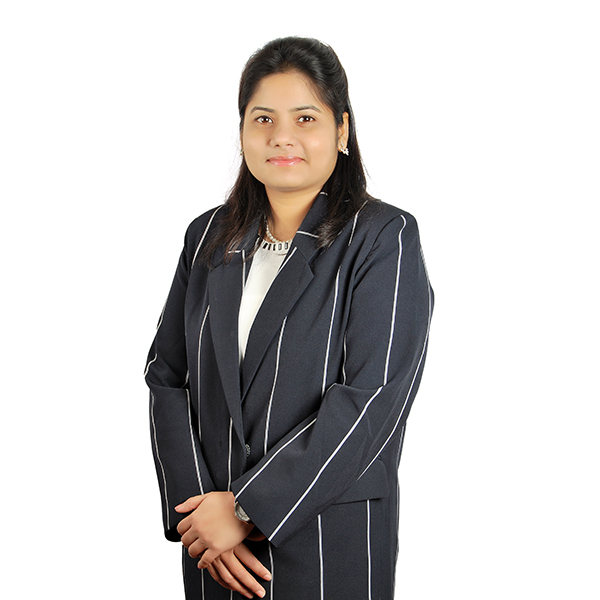
Dr. Sravani Behara, is Specialist Psychiatrist, MBBS ; MD, MRCPsych (UK) and Medical Director at LifeWorks Holistic Counselling Centre. She is experienced in managing mental health conditions across all age groups in both OP, IP settings using various pharmacological and psychological approaches.
She has also worked as an Asst. Professor in a 650 bedded tertiary care teaching hospital (Nimra Institute of Medical Sciences, India) for more than three years and one year in a Government Medical College (Siddhartha Medical college, India). He has extensive experience in handling child guidance, geriatric, de-addiction, general adult clinics.
Areas of expertise include:
- Anxiety disorders (Generalised anxiety, panic disorder)
- Phobias (social and specific phobias)
- Obsessive and compulsive disorders
- Puerperal disorders (postpartum blues, postpartum depression)
- Affective disorders (depression, BPAD, mania)
- Psychosis (schizophrenia and acute psychotic conditions)
- Stress related disorders(PTSD)
- Substance abuse disorders (alcohol, tobacco, cannabis)
- Eating disorders (anorexia and bulimia nervosa)
- Personality disorders (schizoid, borderline)
- Child psychiatry (ADHD, Autistic spectrum and bedwetting)
- Conversion disorders
- Neuropsychiatry
Qualifications & Memberships
- MBBS, MD (Psychiatry)
- DHA licensed
Languages
- English
- Hindi
- Telugu
FaQ’s
- Who is a psychiatrist? Psychiatry is the branch of medicine that is concerned with the diagnosis, treatment, and prevention of mental, emotional and behavioral disorders. A psychiatrist is a physician who specializes in mental health, including substance and other addictions.
- When should I see a psychiatrist? You should see a psychiatrist suffering from:
– Finding it hard to cope with the death of a loved one.
– Tension and anxiety and depression
– Phobias and Worthlessness
– Family and Relationship Problems
– Performance enhancement and Lack of concentration
– Chronic sadness and Guilt
– Irritability and Fatigue
- What are the major diseases that psychiatrists treat?
Psychiatrist treat disorders like anxiety disorders, depressive disorders, obsessive-compulsive and related disorders, trauma- and stressor-related disorder, sexual dysfunctions and gender dysphoria, substance-related and addictive disorders, and schizophrenia.
- Difference between a psychologist and a psychiatrist?
Psychologists focus on psychotherapy and treating emotional and mental suffering with behavioral intervention. Psychologists are also qualified to conduct psychological testing but in most cases, cannot prescribe medications to their patients.
- What happens in your first appointment with a psychiatrist?
The first appointment with a psychiatrist is usually one hour long. During your meeting, your psychiatrist listens to you talk about your concerns and symptoms, asks questions about your general health, asks about your family history, takes your blood pressure and do a basic physical check-up and might asks you to fill out a questionnaire.

About
Dr. Bassem Hamed Mohamed Badr is an Egyptian Consultant Psychiatrist and Fellow of American Psychiatric Association, with 25 years of experience. He graduated from Alexandria University in 1993 with MBBch in Medicine, he then went to on to complete further education with a Diploma of Psychiatry and Addiction Practice, Master of Science in Neuropsychiatry, Diploma in Mental Health, Diploma in Hospital Administration and then ultimately received his Medical Doctorate in Psychiatry in 2008 at the University of Suez Canal in Egypt. He is also licensed as Aeromedical examiner: GCAA, General Civil Aviation Authority
Dr Bassem Badr provides comprehensive care for patients of all ages. He believes that the best outcomes are achieved through a combination of professional excellence and an empathic approach. As an expert in the field of general and adult psychiatry, he adopts an approach that is based on a combination of the psyche, the soma, and the spirit through both scientific and philosophical overviews.
Professional Experience
Not only has Dr. Bassem worked in Senior Roles in Hospitals in Dubai, Kuwait, and Egypt but he has also been a Lecturer and Professor at several Educational Institutes, a peer to peer speaker and a coordinator for various addiction treatment programs. He has contributed to scientific research in a number of medical journals. He is also a talented writer in the field of social and psychological problems and has had many publications in reputable newspapers and magazines.
Areas of Specialization
- Depression
- Grief
- Adjustment disorders
- Sleeping and eating disorders
- Panic attacks and anxiety disorder
- Obsessive compulsive disorders
- Schizophrenia
- Personality disorders
- Substance use and drug addiction
- Marital and sexual disorders
- Manic depressive disorder
- Dementia
- Cognitive disorders
- Memory disturbance
- Phobias
- Bipolar diseases