


5 Things you should know before bringing your child to a counsellor
Suppose you are considering therapy for your child and are quite skeptical whether he/she will even try. It may just be for career counselling or an IQ assessment.There may be times when you think of letting your child visit a counsellor after you have tried everything you know and it does not seem to work. There are times that happens, and it does not imply a ‘Mom or Dad fail.’It’s often common to see children dislike the C word, otherwise known as counselling or the word ‘Doctor’ as well. Not all children, but definitely a few, get afraid while thinking about the idea of going for counselling.You may think, why speak about children, when some adults themselves cringe while thinking about counselling. However, it may be a little trickier to get children for a counselling session because for a fact, they lack understanding about the process of counselling. Let me illustrate with a small example. Suppose you decide to take your child for a counselling session with a local counsellor for children. You load your child in the car and take him/her to this strange place which resembles a doctor’s office, except in this case your child would be taken to a room after you are introduced to the counsellor. Your child would be sat in front of this new person who begins asking questions. It is natural for your child to respond with complete silence for the whole session. That’s absolutely fine. In such cases, how would you get them to go for counselling? I think we should start from the basics. Here are some useful tips that specifically focus on the communication between you and your child. These tips would help you build a culture of trust with your children so that even when you decide therapy would be beneficial for your child, they would have less fear and anxiety.
Go beyond “How was your day?”
Establish a relationship of openness and transparency with your child. Let them see you as accountable and trustworthy to make choices for them. How’s that achieved? Firstly, spend time talking to your child on a daily basis. The topics may range anywhere between ‘how was your day at school?’ to their favourite period during the day or ‘funny moments that happened to them or around them during the day.’ These are just examples. You would have your own list of topics to talk about once you get the conversation started. However, ensure that you get to invest time asking them beyond the basics. Also, give sufficient time for your child to process their thoughts. If they say ‘my day was good’ and end there, ask them to tell you more. Let them be comfortable and confident to speak to you without hiding anything. Through the way you communicate, convey to them you intend to make the best decisions on their behalf, not just because you’re the parent. Some helpful ways of communication are ‘a relaxed composure, a smile on your face and responding consistently with ‘aha’ or ‘yes that’s right’ throughout the conversation. You will surely find a difference in the relationship between you and your child. You may be thinking ‘I would do this if my child would sit down with me for five minutes.’ Try it nevertheless, take the initiative to go their bedroom and talk to them.
Be a Role Model
Modelling is such a powerful tool which was discovered by an impeccable American Psychologist named Albert Bandura. Quite simply, modelling takes place when someone learns positive or negative behaviour from another person. This phenomenon takes place throughout lifespan, however quite commonly in childhood. By being a role model and exhibiting behaviours that you expect your child to follow, you may notice that it becomes easier for children to follow rules. For example, this could be in the way you talk in the home. Some parents tell children out of sheer helplessness “you make me feel depressed.” Children in turn may speak in a similar way to their siblings, parents or peers. Some may learn to believe this statement. Remember, that your child soaks everything you say or do like a sponge. Hence, monitoring the way you act would do good.
Talk to the face, not the phone
As cliché as that sounds, it is important that you talk to your children face to face. In a lifestyle where we are all about getting things done, we can miss the true essence of a conversation. Life is busy, we’re at work and talking to our children may happen anywhere between catching a few minutes to breathe before you close an important quarter at work or meet a potential customer you have chased far too long. Of course, the best you can give your child is ‘how was your day?’ with their response being the obvious ‘good’ so that you can move on with your day. However, it is all about priorities. Prioritize a conversation that is worth half an hour with your child amidst all the other deadlines. If there’s a will there will definitely be a way.
Be there, be square
Apart from engaging in a conversation with your children, as parents, you would also have to be there for your children as they talk to you. Despite having stresses of your own to manage, it always helps if you are both physically and mentally present as your child speaks to you. Create a safe space for them to divulge anything they have to say. Just listen intently and do not judge them regardless of what they wish to say. Practice listening to your children first before giving them a piece of your mind.
Know your triggers
It always helps to know what your emotional triggers are. Suppose your child behaves in a certain way or tells you something that you consider as unacceptable. You may form your judgement based on your childhood experiences. Instead of reacting, relax. Take the effort to touch base with your feelings before you explode. If you feel sad or angry as soon as your child speaks about a certain topic or reacts a certain way, being aware about that emotional trigger would help you develop alternative helpful strategies. How do I do this? Think about that time recently when you reacted with anger and frustration for something your child had done. Go back to why you reacted that way. Was it a rational reaction? If not what caused it and how could you change it next time? The more you ask yourselves these questions when you go through an emotional outburst, the more it will help you change the way you react to your child.
These are just some ways parents can make it easier for their children to process through some of their struggles. You may be practicing all these tips or even more, but the more you do them consistently, you would notice that it gets much easier to break open the shell that child may seem to guard so carefully.
If you would like to talk, feel free to reach out to us. An LifeWorks therapist would be able to help.
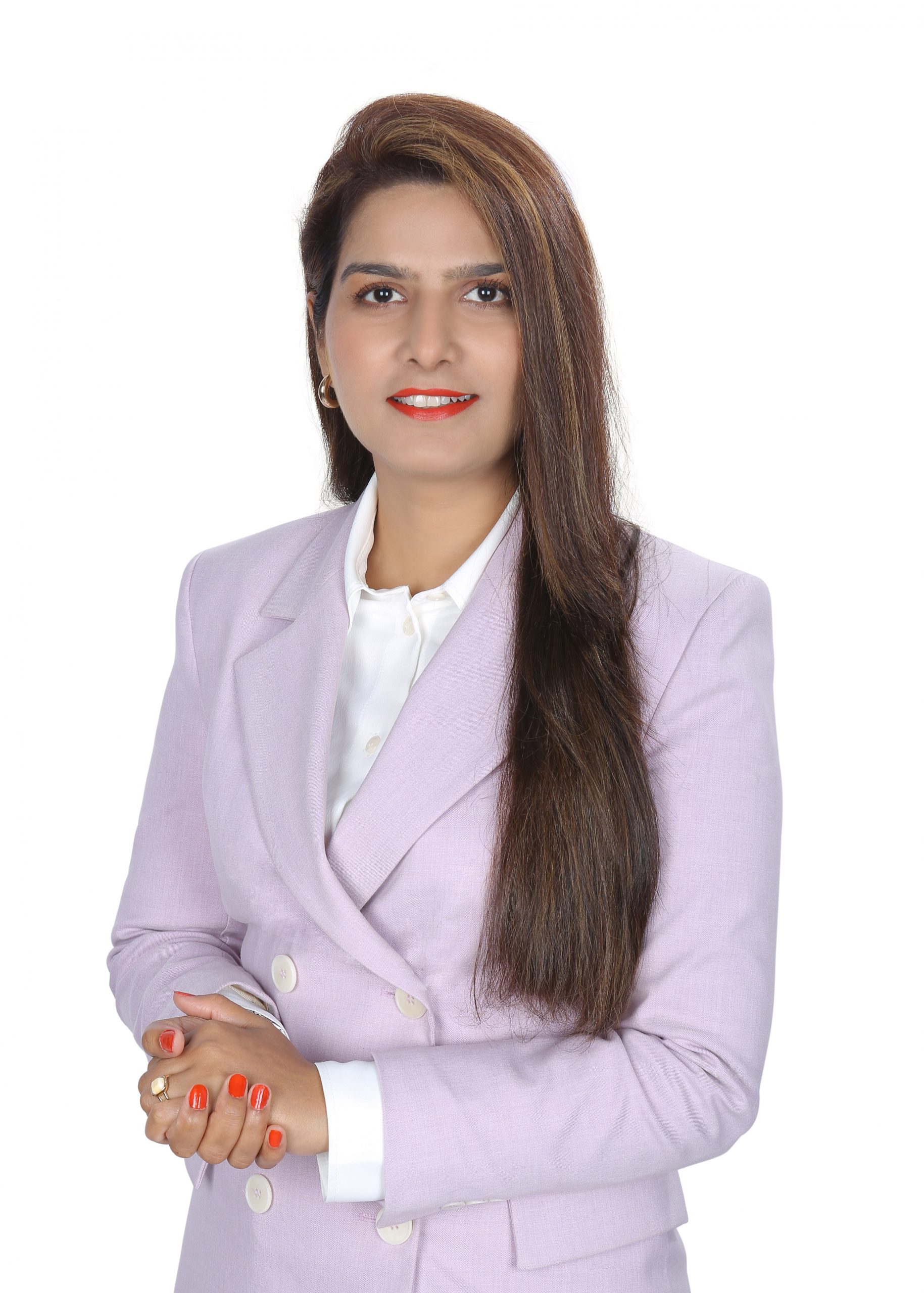
I’m Dr. Saba Aslam, Licensed Clinical Psychologist at LifeWorks. I have more than seven years of experience working in this field with all age groups as children, adolescents, adults and older.
I have worked with the patients having diverse mental health issues as stress, depression, anxiety, emotional behavioral problems, anger issues, intellectual disability, attention deficit hyperactivity disorder, autism spectrum disorder, obsessive compulsive disorder, interpersonal relationship problems, self-esteem issues, decreased self-confidence, or trust issues, adjustment problems, stress and coping related to developmental changes and physical or sexual abuse in children or adolescents.
I am proficient in using protective techniques, IQ tests, personality tests and other psychological and neurodevelopmental assessment protocols. I prefer to combine elements of various approaches, including humanistic, psychoanalytic/ psycho dynamic, gestalt, cognitive behavioral therapy, behavior modification, social skills trainings, dialectical behavior therapy and applied behavior analysis.
Education and Training:
-
PhD Clinical Psychology.
-
MS/M. Phil Clinical Psychology.
-
CBT Certification: Cognitive Behavior Therapy Practitioner Course.
-
Two Research Rewards for Excellent Research Publications
Qualifications and Memberships:
-
Dubai Health Authority Licensed Psychologist (DHA)
-
CBT Certification: Cognitive Behavior Therapy Practitioner Course.
-
Member American Psychological Association # C2203825762
-
Member Australian & New Zealand Mental Health Association (ANZMH)
-
Member International Society of Substance Use Professionals (ISSUP).
-
Member Pakistan Association of Clinical Psychology (PACP).
Languages:
-
English, Urdu, Hindi
About
Raised and educated in Italy, Dr. Lorena is a highly experienced Cognitive Behavioural Clinical Psychologist-Psychotherapist. She achieved her 5 years Bachelor/Master Degree in Clinical Psychology at Padua University (Italy) and further she completed her professional profile with a 4 Years Master Specialization in Como (Italy) at the Post Bachelor Specialization School in Cognitive Therapy.
She also has a Master in Counselling at Brescia University (Italy) and completed level 1 and 2 training in EMDR.
She has been working as a Psychologist /Psychotherapist for 20 years in both Public, Private Hospitals and outpatients clinics.
In addition to her clinical skills experience, Dr Lorena has had an extensive involvement in teaching, clinical research and publications in different fields such as Binge Eating Disorders and Psychological Rehabilitation after heart attack.
After moving to Dubai in 2012 Dr. Lorena got a DHA Licence as Clinical Psychologist and provides psychological treatments in a wide range of mental health and emotional issues.
Qualifications
- Master’s Degree in Clinical Psychology-University of Padua(Italy)
- Postgraduate degree in Cognitive Therapy – Postgraduate School of Como (Italy)
- Postgraduate degree in Counselling-University of Brescia (Italy)
- EMDR- level 1 and 2
- Couple Therapy Gottman Method -Level1
- Member of Italian Society of Psychologists-Pychotherapists – Lombardy Region
- Member of CBT–Italy
- Dubai Health Authority Licence
Expertise
- Anxiety Disorders ( Panic attack, Generalized Anxiety, Social Phobia, Specific Phobia , Obsessive Compulsive Disorders)
- Mood Disorders ( Major Depression , Post partum Depression, Cyclothymia, Dysthymia) Adjustment Disorders
- Personality Disorders (Narcissistic Personality Disorder. – Avoidant PD- Dependent PD.)
- Eating Disorders -Anorexia-Bulimia- Binge Eating Disorder
- Relational Difficulties
- Worry and Rumination
- Workplace stress and burnout
- Self- esteem
- Parent training
- Post -Traumatic Stress Disorder
- Coping with Emotional and psychological problems during Covid19
Therapies
- Cognitive Behavioural Therapy ( third wave approach)
- Post-Rationalism Cognitive Therapy approach
- Attachment theory approach
- Mindfulness Approaches
- EMDR
- Marital/couple Therapy ( Gottman approach)

About
Maryam has master’s degree in Relationship therapist and has been working in the Mental Health field since 2009. She believes that therapy is a collaborative process and she kindly guides clients to increase self-awareness, gain new perspectives, decrease symptoms, and increase personal strengths to have a more meaningful life experience.
Throughout her career, Maryam has worked with adults, adolescents, and children, across various settings, including private practice and outpatient primary care clinics, in Netherlands and UAE. She has been working as a psychologist in UAE since 2013.
Maryam has extensive experience in applying various Social worker including Neurofeedback therapy, ABA (behavior) therapy, Counseling and relationship therapy.
In her clinical practice, Maryam helps the individuals t
- Manage their moods and emotions
- Process anxiety
- Reduce levels of general distress and discomfort
- Increase attention and the ability to focus
- Improvement of memory
- Treatment of headache and migraine
Maryam uses a warm, empathetic approach to create a safe and nonjudgmental space where clients can learn, grow, and achieve their goals. She makes sure to offer flexibility, meet the individuals where they are, and have patience to help each individual feel secure throughout the process. She always encourages open communication regarding the course of therapy and goal achievement.
Education
- Master of Relationship therapist/System therapy VU University, Amsterdam
- Bachelor of Social Work (BSW), Hogeschool University of Holland, Enschede
- Neurofeedback therapist
Board Certifications:
- Community Development Authority License (CDA), Dubai, UAE
- Certificate of completion the Biofeedback and Neurofeedback of New York.
Languages
- English
- Dutch
- Persian
- German

About
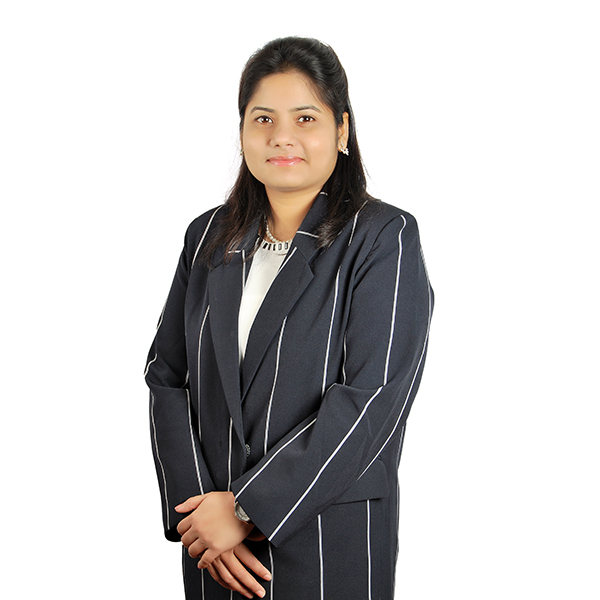
Ritasha Varsani is a CDA licensed Psychologist practicing in Dubai. She has an experience of over ten years in providing psychotherapy to a diverse population in a mental health settings in India and United States. She has been professionally trained from USA and her expertise lies in Marriage, Family and Child Therapy. She offers problem solving insights with evidence based therapies to clients giving them the strength to express themselves and promotes equal privilege is what she believes in.
“Empathy and sensitivity is key to connecting with people on a human level”. I support my clients by cultivating the ability and demonstrating with authenticity, vulnerability and honesty and increase their sense of their own well being. As a result of her approachable, non-judgmental and compassionate attitude her clients feel safe in addressing and overcoming developmental challenges, psychological obstacles and traumatic life experiences.
Her Therapeutic Approach
Ritasha uses an integrative approach by incorporating interpersonal and psychodynamic principles and evidence based therapies such as Cognitive behavior therapy, motivational interviewing, narrative therapy, compassion focused therapy, solution focused therapy, family therapy. She takes a client centered and culturally competent approach to facilitate progress and change by quality of care and moving through the journey of recovery. Her age range of clients varies from preschool kids to adolescents, individuals and couples/ families providing therapeutic interventions in individual and group settings.
Specialization:
- Depression
- Anxiety
- Marital and family Disputes
- Personality Disorders
- Anger Management
- Bereavement
- Premarital guidance
- Self identity and life transition issues
- Obsessive Compulsive Disorder ( OCD )
- Trauma and stressor-related disorders
- Mindfulness
- Psycho education Qualifications and Memberships
- Bachelor of Arts in Psychology – St Xavier’s College, Ahmedabad
- Masters in Psychology with a concentration in Marriage & Family Therapy – San Francisco, USA
- Certificate of Introduction to Compassion Focused Therapy – NHS, London
- Certificate of Applying Hope to Couple Therapy – American Psychological Association
- Member of American Psychological Association, International Affiliate ( APA )
- Member of Middle Eastern Psychology Association ( MEPA )
Education
- Bachelor of Arts in Psychology – St Xavier’s College, Ahmedabad
- Masters in Psychology with a concentration in Marriage & Family Therapy – San Francisco, USA
- Certificate of Introduction to Compassion Focused Therapy – NHS, London
- Certificate of Applying Hope to Couple Therapy – American Psychological Association
- Member of American Psychological Association, International Affiliate ( APA )
- Member of Middle Eastern Psychology Association ( MEPA )
Languages
- English
- Hindi
- Gujarati

About
Safia Ali Malik is DHA licensed Clinical Psychologist with comprehensive knowledge and understanding on different therapeutic techniques. Compassionate, dedicated and empathetic with clients. Experience of working with clients with different needs and nationalities with utmost cultural sensitivity. Excel at providing adolescents and adults with individual psychotherapy to help them facilitate their social and personal growth and allow them to lead more meaningful and fulfilling lives.
She specializes in psychological and educational assessments and provides individual, family and group therapies.
Her Therapeutic Approach
Psychometric and Psychological assessment, Cognitive therapy, Group therapy, individual therapy, Management, Dialectic Behaviour therapy, Solution Focused and Problem solving Approaches depending on the need of the client.
Specialization:
- Behavioural Disorders
- Anxiety Management
- Psychometric Assessment
- Cognitive problems
- Coping skills
- Grief therapy
- Mindfulness
- OCD and PTSD.
Education
- Masters in Psychology from Government College University Lhr, Pakistan.
- Post Graduate Diploma in Child and adult Psychotherapy from Government College University Lhr, Pakistan.
- Graduation in Psychology from Punjab university Lhr, Pakistan.
Languages
- English
- Urdu (Hindi)

Corina has her master’s degree in Cognitive Behavioral Therapy and has been working in the Mental Health field since 2007. She believes that therapy is a collaborative process and she kindly guides clients to increase self-awareness, gain new perspectives, decrease symptoms, and increase personal strengths to have a more meaningful life experience.
Throughout her career, Corina has worked with adults, adolescents, and children, across various settings, including private practice and outpatient primary care clinics, in Romania, Spain and UAE. She has been working as a psychologist in the Emirates since 2017, in Abu Dhabi and Dubai. Her last position was in a children’s medical center, where she had helped families overcome various challenges, such as anxiety, depression, challenging behaviors and OCD, to name a few.
Corina has extensive experience in applying various empirically-supported Cognitive Behavioral Therapies (CBT), including Acceptance and Commitment Therapy (ACT), Exposure and Response Prevention (ERP), Solution Focused Brief therapy (SFBT), Trauma Focused CBT (TF-CBT) and Motivational Interviewing (MI).
In her clinical practice, Corina delivers evidence-based treatments to individuals facing a wide range of emotional, behavioral and adjustment problems, such as:
- Anxiety Disorders
- Anger and Stress Management
- Behavioral Challenges
- Depression
- PTSD
- Self-Harm Behavior
- Grief and Loss
- Obsessive- Compulsive Disorder
- Trauma
- Family and Relationship Challenges
- Low Self Esteem
- Suicide prevention
Corina uses a warm, empathetic approach to create a safe and nonjudgmental space where clients can learn, grow, and achieve their goals. She makes sure to offer flexibility, meet the individuals where they are, and have patience to help each individual feel secure throughout the process. She always encourages open communication regarding the course of therapy and goal achievement.
Education:
- Master Degree in Cognitive Behavioral Therapy, Bucharest, Romania
- Bachelor’s Degree in Psychology, Bucharest, Romania
Board Certifications:
- Community Development Authority License (CDA), Dubai, UAE
- Romanian College of Psychologists, Bucharest, Romania
Languages:
English, Romanian, Spanish

About
Dr.Marwa Abd El Hamid is a certified and trained psychologist with over 16 years of experience working in different countries in a variety of settings. She Specializes in Clinical and Educational Psychology. She has been associated with large hospitals, schools and corporate clients in UAE, Saudi Arabia, and Egypt in conducting sessions on various mental health issues including stress management, parenting and child development, and mindfulness for holistic wellbeing.
As a professional psychologist, she is continually inspired by people’s ability especially she believes deeply that the people themselves are the real experts in their own lives.
Her therapeutic approach
Cognitive behavioral therapy, Dialectic behavior therapy, Rational Emotive Behavior Therapy, Solution Focused on compassion based therapy, Gestalt Therapy, Psychoanalysis, Existential therapy as well as Psychodrama and group therapy based on the needs of the client.
Areas of Specialization for Children
- Kids & Special needs (play therapy).
- Dealing with Autism – Asperger – Down syndrome using (PECS –TEACCH –HELP –LOVAAS-INTEGRATION-PORTAGE).
- Skills development.
- Childhood Emotional disorders.
- Behavioral Problems.
- Attention difficulties.
- Developmental learning difficulties.
- Cognitive difficulties.
- Difficulties of remembering.
- Difficulties in conceptual formation.
- Difficulty solving problems.
Professional Experience
- Adjustments to life transitions like adoption, bereavement, divorce, relocation.
- Mood disorders like depression, and Bipolar disorders.
- Low self-esteem.
- Body image issues.
- Anxiety disorders like phobias, panic, OCD and PTSD.
- Pre-marital counseling and couples counseling.
- Family Conflict Therapy.
- Trauma.
- Addictions.
- Anger and stress.
- Career decisions and work-life balance.
- Mindfulness for the holistic wellbeing.
- She has also worked with Kids with special needs.
Education
- Ph.D. in psychology Ain-Shams University.
- Master in Educational Psychology Ain-Shams University.
- Special diploma in Mental Health Alexandria University.
- Professional diploma in Special Education Alexandria University.
- Educational Diploma in Education at Alexandria University.
Board Certifications or equivalent
- Community Development Authority (CDA), Dubai.
Languages
- Arabic
- English
About
Dr. Sravani Behara, is Specialist Psychiatrist, MBBS ; MD, MRCPsych (UK) and Medical Director at LifeWorks Holistic Counselling Centre. She is experienced in managing mental health conditions across all age groups in both OP, IP settings using various pharmacological and psychological approaches.
She has also worked as an Asst. Professor in a 650 bedded tertiary care teaching hospital (Nimra Institute of Medical Sciences, India) for more than three years and one year in a Government Medical College (Siddhartha Medical college, India). He has extensive experience in handling child guidance, geriatric, de-addiction, general adult clinics.
Areas of expertise include:
- Anxiety disorders (Generalised anxiety, panic disorder)
- Phobias (social and specific phobias)
- Obsessive and compulsive disorders
- Puerperal disorders (postpartum blues, postpartum depression)
- Affective disorders (depression, BPAD, mania)
- Psychosis (schizophrenia and acute psychotic conditions)
- Stress related disorders(PTSD)
- Substance abuse disorders (alcohol, tobacco, cannabis)
- Eating disorders (anorexia and bulimia nervosa)
- Personality disorders (schizoid, borderline)
- Child psychiatry (ADHD, Autistic spectrum and bedwetting)
- Conversion disorders
- Neuropsychiatry
Qualifications & Memberships
- MBBS, MD (Psychiatry)
- DHA licensed
Languages
- English
- Hindi
- Telugu
FaQ’s
- Who is a psychiatrist? Psychiatry is the branch of medicine that is concerned with the diagnosis, treatment, and prevention of mental, emotional and behavioral disorders. A psychiatrist is a physician who specializes in mental health, including substance and other addictions.
- When should I see a psychiatrist? You should see a psychiatrist suffering from:
– Finding it hard to cope with the death of a loved one.
– Tension and anxiety and depression
– Phobias and Worthlessness
– Family and Relationship Problems
– Performance enhancement and Lack of concentration
– Chronic sadness and Guilt
– Irritability and Fatigue
- What are the major diseases that psychiatrists treat?
Psychiatrist treat disorders like anxiety disorders, depressive disorders, obsessive-compulsive and related disorders, trauma- and stressor-related disorder, sexual dysfunctions and gender dysphoria, substance-related and addictive disorders, and schizophrenia.
- Difference between a psychologist and a psychiatrist?
Psychologists focus on psychotherapy and treating emotional and mental suffering with behavioral intervention. Psychologists are also qualified to conduct psychological testing but in most cases, cannot prescribe medications to their patients.
- What happens in your first appointment with a psychiatrist?
The first appointment with a psychiatrist is usually one hour long. During your meeting, your psychiatrist listens to you talk about your concerns and symptoms, asks questions about your general health, asks about your family history, takes your blood pressure and do a basic physical check-up and might asks you to fill out a questionnaire.
About
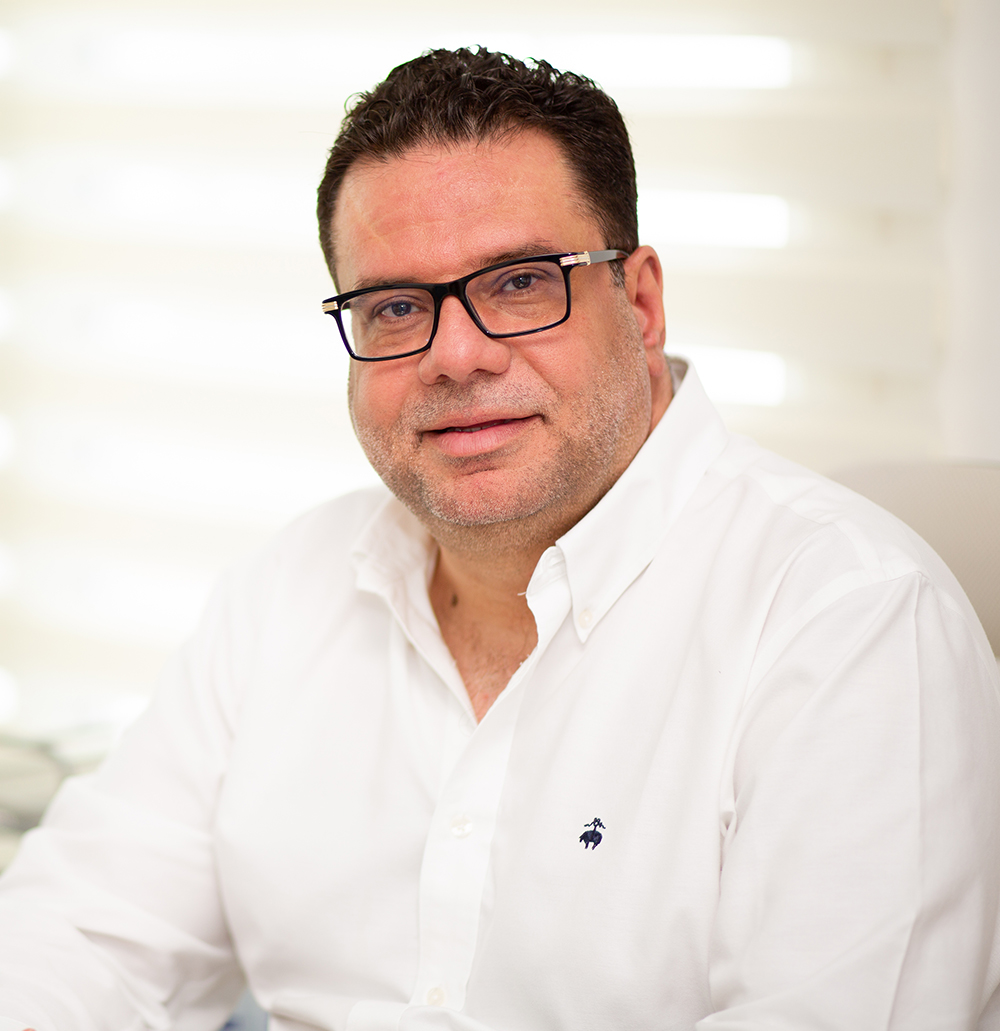
Dr. Bassem Hamed Mohamed Badr is an Egyptian Consultant Psychiatrist and Fellow of American Psychiatric Association, with 25 years of experience. He graduated from Alexandria University in 1993 with MBBch in Medicine, he then went to on to complete further education with a Diploma of Psychiatry and Addiction Practice, Master of Science in Neuropsychiatry, Diploma in Mental Health, Diploma in Hospital Administration and then ultimately received his Medical Doctorate in Psychiatry in 2008 at the University of Suez Canal in Egypt. He is also licensed as Aeromedical examiner: GCAA, General Civil Aviation Authority
Dr Bassem Badr provides comprehensive care for patients of all ages. He believes that the best outcomes are achieved through a combination of professional excellence and an empathic approach. As an expert in the field of general and adult psychiatry, he adopts an approach that is based on a combination of the psyche, the soma, and the spirit through both scientific and philosophical overviews.
Professional Experience
Not only has Dr. Bassem worked in Senior Roles in Hospitals in Dubai, Kuwait, and Egypt but he has also been a Lecturer and Professor at several Educational Institutes, a peer to peer speaker and a coordinator for various addiction treatment programs. He has contributed to scientific research in a number of medical journals. He is also a talented writer in the field of social and psychological problems and has had many publications in reputable newspapers and magazines.
Areas of Specialization
- Depression
- Grief
- Adjustment disorders
- Sleeping and eating disorders
- Panic attacks and anxiety disorder
- Obsessive compulsive disorders
- Schizophrenia
- Personality disorders
- Substance use and drug addiction
- Marital and sexual disorders
- Manic depressive disorder
- Dementia
- Cognitive disorders
- Memory disturbance
- Phobias
- Bipolar diseases