


The Art of Communication and Body Language
Have you thought about how well you communicate with other people? How your body language and what you are saying are perceived by others? Communication is not just words coming out of our mouth, it is everything about us that relays a message, our whole presentation! Communication can be defined as an exchange of feelings, ideas and information whether by speaking, writing, or body language. It is at the core of how people relate to one another and the most important component for healthy relationships.
In recent times, communication has become an art. A growing field of experts, specialists and public speakers inform us how best to talk to others in any given situation, whether it be work, social functions or with significant others, etc. Being a good communicator can allow us to win people over to our cause, resolve a conflict, make someone feel better about themselves and much more. In fact, studies have shown good communication skills are linked with more success in relationships, work and life satisfaction in general. Unfortunately, we are not taught communication skills formally like others subjects we must complete in our education. So we learn most of what we know about communication from observing and modeling first our parents then others in the environment around us-real persons or media portrayals. Some of these, unfortunately could serve as negative or inappropriate models for communication and we could end up picking up the wrong skills that would damage relationships and prospects of success. Yet, even if you don’t think you have a natural ability to communicate well, you can still develop your communication skills by paying attention to and following simple strategies. It just takes some practice!
3 types of communication & the importance of body language
There are 3 types of communication: verbal, non-verbal and informal.Verbal communication is one way for people to communicate face-to-face through sound, words, speaking, and language.Non-verbal communication includes body language such as facial expressions, gestures, posture and eye gaze.Informal communication includes online chatting, texting, emails and letters.
One study at UCLA indicated that up to 93 % of communication effectiveness is determined by non-verbal cues (38 % by voice quality, 55 % body movements). This means that what we do with our body language has more significance to the message then what we actually say. If you are trying to mask your reaction to something or hide your feelings, pay close attention to the non-verbal signals you are portraying. Even the tiniest facial expression can give your true thoughts and feelings away. We usually believe what we see and not what we hear when there is a contradiction between what is being said verbally and what is being observed in one’s body language. You can become more proficient in reading and displaying body language by following some tips by Robert Phipps, author of “The Official Guide to Body Language”.
Tone of voice: is part of what is called paraverbal communication-referring to the messages we convey using our tone, pitch, stress on words and speed of talking. Experts say this accounts for 38% of what is verbally communicated to others. A statement can convey different meanings depending on which words are emphasized and the tone of voice used. Think of someone saying in a high pitched rapid voice that he/she is not angry or saying she/he is doing good using a slow monotone pitch; clearly a contradiction.
While actively listening to a person you nod your head to indicate that you understand and is in agreement with the speaker. You look away or yawn to indicate that you are bored or would prefer if the speaker stops talking. You frown or raise your eyebrows to indicate to the speaker that you either don’t believe them or that you don’t understand. There are ways we communicate with our bodies. When we are attentive to another’s body language, we can gain insight into how the person is feeling.
Eye Contact– Eye contact is one of the most important aspects of dealing with others. Maintaining good eye contact shows respect and interest in what speaker is saying. We tend to keep eye contact around 60-70% of the time, (however, there are wide cultural differences). By doing this you won’t make the other people feel self-conscious. Any more eye contact than this and you can be too intense, any less and you give off a signal that you lacking interest in them or the conversation.
Head– When you want to feel confident and self-assured keep your head level straight both horizontally and vertically. You can also use this straight head position when you want to be authoritative and what you’re saying to be taken seriously. Conversely, when you want to be friendly and in a listening, receptive mode, tilt your head just a little to one side or other. You can shift the tilt from left to right at different points in the conversation.
Arms– Arms give away the clues as to how open and receptive we are to everyone we meet and interact with, so keep your arms out to the side of your body or behind your back. This shows you are not scared to take on whatever comes your way. In general terms, the more outgoing you are as a person, the more you tend to use your arms with big movements. The quieter you are the less you move your arms away from your body. So, try to strike a natural balance and keep your arm movements midway. When you want to come across in the best possible light, crossing the arms is a no-no in front of others, because it can show defensiveness or inflexibility
Hand Gestures– Hand gestures are so numerous so this is just a very brief guide. Palms slightly up and outward is seen as open and friendly. Palm down gestures are generally seen as dominant and possibly aggressive, especially when there is no movement or bending between the wrist and the forearm. This palm up, palm down is very important when it comes to handshaking and, where appropriate, we suggest you always offer a handshake upright and vertical, which should convey equality.
Posture– A slumped posture indicates that you have low spirits, are fatigued or that you feel inferior. Whereas, an erect straightened posture shows high spirits and confidence. If you lean forward it implies that you are open and interested. Leaning away shows disinterest or that you are defensive. Maintaining a rigid posture is interpreted by many to mean that you are defensive, while a relaxed posture translates openness
Improving your skill in interpreting non-verbal communication will add to your ability to share meaning with and understand another person better. Again, the non-verbal communication may reveal more than the person’s spoken words. Learn to practice these non-verbal communication tips and you will surely improve your skills in relationships and at conversing with others!
Ms. Resha, is a counsellor at LifeWorks Holistic Counselling Centre. She is a Canadian Certified Counsellor and a member of the Canadian Counsellor and Psychotherapy Association. She is also licensed as a Social Counsellor from Community Development Authority in Dubai. Having worked in Canada, Kuwait and Dubai, she brings with her extensive multicultural experience in clinical and educational settings.
She has presented numerous psycho-educational workshops, led professional development sessions and has contributed to several media publications. Ms.Erheim conducts counselling in both English and Arabic with a diverse client population using an eclectic approach. She has interests in a range of issues including depression, self-esteem and self-identity, relationship issues and family conflict, assertiveness training, grief and stress management. She enjoys empowering her clients in making positive changes in their lives and reaching their full potential.
If you would like to talk, feel free to reach out to us. An LifeWorks therapist would be able to help.
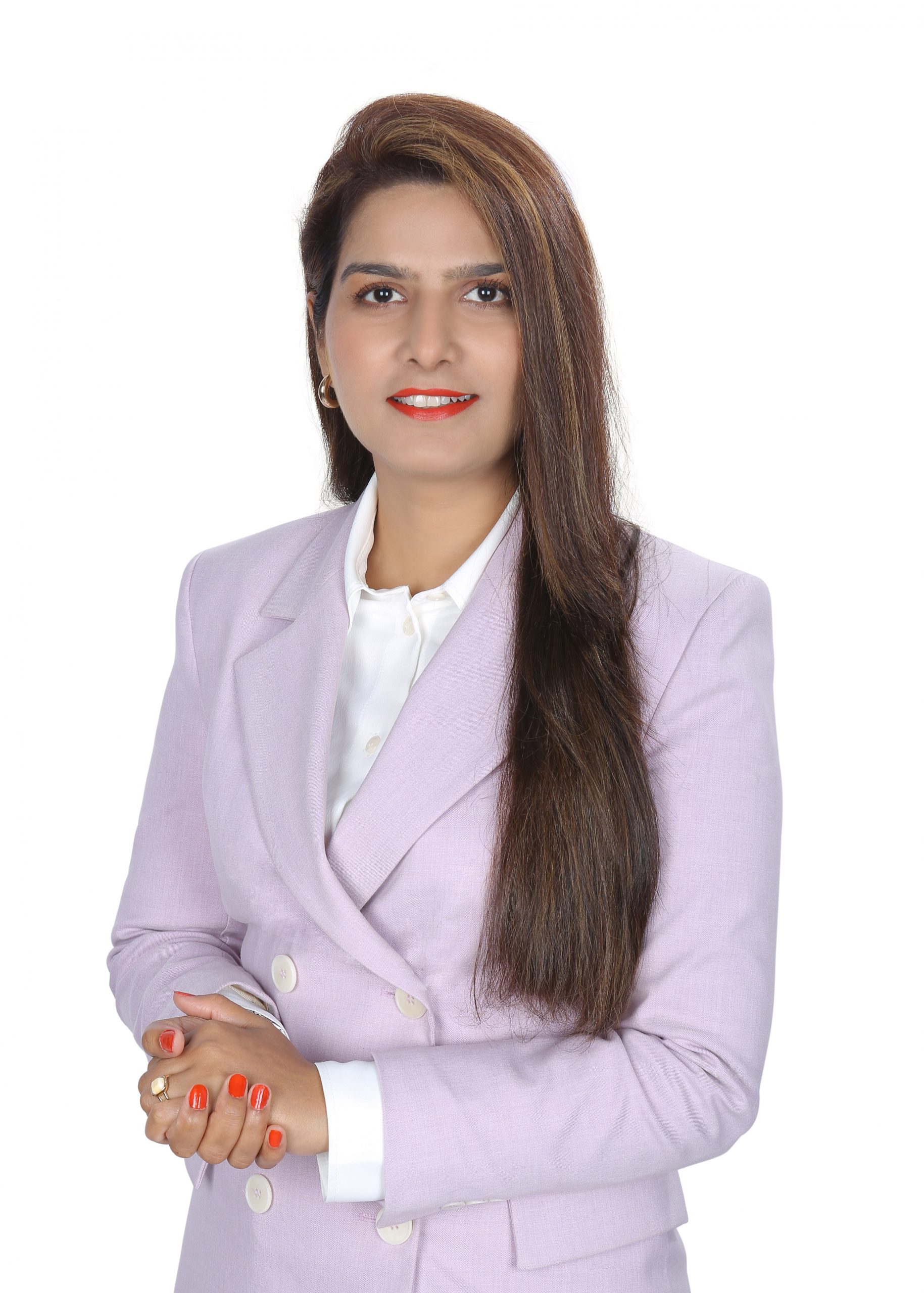
I’m Dr. Saba Aslam, Licensed Clinical Psychologist at LifeWorks. I have more than seven years of experience working in this field with all age groups as children, adolescents, adults and older.
I have worked with the patients having diverse mental health issues as stress, depression, anxiety, emotional behavioral problems, anger issues, intellectual disability, attention deficit hyperactivity disorder, autism spectrum disorder, obsessive compulsive disorder, interpersonal relationship problems, self-esteem issues, decreased self-confidence, or trust issues, adjustment problems, stress and coping related to developmental changes and physical or sexual abuse in children or adolescents.
I am proficient in using protective techniques, IQ tests, personality tests and other psychological and neurodevelopmental assessment protocols. I prefer to combine elements of various approaches, including humanistic, psychoanalytic/ psycho dynamic, gestalt, cognitive behavioral therapy, behavior modification, social skills trainings, dialectical behavior therapy and applied behavior analysis.
Education and Training:
-
PhD Clinical Psychology.
-
MS/M. Phil Clinical Psychology.
-
CBT Certification: Cognitive Behavior Therapy Practitioner Course.
-
Two Research Rewards for Excellent Research Publications
Qualifications and Memberships:
-
Dubai Health Authority Licensed Psychologist (DHA)
-
CBT Certification: Cognitive Behavior Therapy Practitioner Course.
-
Member American Psychological Association # C2203825762
-
Member Australian & New Zealand Mental Health Association (ANZMH)
-
Member International Society of Substance Use Professionals (ISSUP).
-
Member Pakistan Association of Clinical Psychology (PACP).
Languages:
-
English, Urdu, Hindi
About
Raised and educated in Italy, Dr. Lorena is a highly experienced Cognitive Behavioural Clinical Psychologist-Psychotherapist. She achieved her 5 years Bachelor/Master Degree in Clinical Psychology at Padua University (Italy) and further she completed her professional profile with a 4 Years Master Specialization in Como (Italy) at the Post Bachelor Specialization School in Cognitive Therapy.
She also has a Master in Counselling at Brescia University (Italy) and completed level 1 and 2 training in EMDR.
She has been working as a Psychologist /Psychotherapist for 20 years in both Public, Private Hospitals and outpatients clinics.
In addition to her clinical skills experience, Dr Lorena has had an extensive involvement in teaching, clinical research and publications in different fields such as Binge Eating Disorders and Psychological Rehabilitation after heart attack.
After moving to Dubai in 2012 Dr. Lorena got a DHA Licence as Clinical Psychologist and provides psychological treatments in a wide range of mental health and emotional issues.
Qualifications
- Master’s Degree in Clinical Psychology-University of Padua(Italy)
- Postgraduate degree in Cognitive Therapy – Postgraduate School of Como (Italy)
- Postgraduate degree in Counselling-University of Brescia (Italy)
- EMDR- level 1 and 2
- Couple Therapy Gottman Method -Level1
- Member of Italian Society of Psychologists-Pychotherapists – Lombardy Region
- Member of CBT–Italy
- Dubai Health Authority Licence
Expertise
- Anxiety Disorders ( Panic attack, Generalized Anxiety, Social Phobia, Specific Phobia , Obsessive Compulsive Disorders)
- Mood Disorders ( Major Depression , Post partum Depression, Cyclothymia, Dysthymia) Adjustment Disorders
- Personality Disorders (Narcissistic Personality Disorder. – Avoidant PD- Dependent PD.)
- Eating Disorders -Anorexia-Bulimia- Binge Eating Disorder
- Relational Difficulties
- Worry and Rumination
- Workplace stress and burnout
- Self- esteem
- Parent training
- Post -Traumatic Stress Disorder
- Coping with Emotional and psychological problems during Covid19
Therapies
- Cognitive Behavioural Therapy ( third wave approach)
- Post-Rationalism Cognitive Therapy approach
- Attachment theory approach
- Mindfulness Approaches
- EMDR
- Marital/couple Therapy ( Gottman approach)

About
Maryam has master’s degree in Relationship therapist and has been working in the Mental Health field since 2009. She believes that therapy is a collaborative process and she kindly guides clients to increase self-awareness, gain new perspectives, decrease symptoms, and increase personal strengths to have a more meaningful life experience.
Throughout her career, Maryam has worked with adults, adolescents, and children, across various settings, including private practice and outpatient primary care clinics, in Netherlands and UAE. She has been working as a psychologist in UAE since 2013.
Maryam has extensive experience in applying various Social worker including Neurofeedback therapy, ABA (behavior) therapy, Counseling and relationship therapy.
In her clinical practice, Maryam helps the individuals t
- Manage their moods and emotions
- Process anxiety
- Reduce levels of general distress and discomfort
- Increase attention and the ability to focus
- Improvement of memory
- Treatment of headache and migraine
Maryam uses a warm, empathetic approach to create a safe and nonjudgmental space where clients can learn, grow, and achieve their goals. She makes sure to offer flexibility, meet the individuals where they are, and have patience to help each individual feel secure throughout the process. She always encourages open communication regarding the course of therapy and goal achievement.
Education
- Master of Relationship therapist/System therapy VU University, Amsterdam
- Bachelor of Social Work (BSW), Hogeschool University of Holland, Enschede
- Neurofeedback therapist
Board Certifications:
- Community Development Authority License (CDA), Dubai, UAE
- Certificate of completion the Biofeedback and Neurofeedback of New York.
Languages
- English
- Dutch
- Persian
- German

About
Ritasha Varsani is a CDA licensed Psychologist practicing in Dubai. She has an experience of over ten years in providing psychotherapy to a diverse population in a mental health settings in India and United States. She has been professionally trained from USA and her expertise lies in Marriage, Family and Child Therapy. She offers problem solving insights with evidence based therapies to clients giving them the strength to express themselves and promotes equal privilege is what she believes in.
“Empathy and sensitivity is key to connecting with people on a human level”. I support my clients by cultivating the ability and demonstrating with authenticity, vulnerability and honesty and increase their sense of their own well being. As a result of her approachable, non-judgmental and compassionate attitude her clients feel safe in addressing and overcoming developmental challenges, psychological obstacles and traumatic life experiences.
Her Therapeutic Approach
Ritasha uses an integrative approach by incorporating interpersonal and psychodynamic principles and evidence based therapies such as Cognitive behavior therapy, motivational interviewing, narrative therapy, compassion focused therapy, solution focused therapy, family therapy. She takes a client centered and culturally competent approach to facilitate progress and change by quality of care and moving through the journey of recovery. Her age range of clients varies from preschool kids to adolescents, individuals and couples/ families providing therapeutic interventions in individual and group settings.
Specialization:
- Depression
- Anxiety
- Marital and family Disputes
- Personality Disorders
- Anger Management
- Bereavement
- Premarital guidance
- Self identity and life transition issues
- Obsessive Compulsive Disorder ( OCD )
- Trauma and stressor-related disorders
- Mindfulness
- Psycho education Qualifications and Memberships
- Bachelor of Arts in Psychology – St Xavier’s College, Ahmedabad
- Masters in Psychology with a concentration in Marriage & Family Therapy – San Francisco, USA
- Certificate of Introduction to Compassion Focused Therapy – NHS, London
- Certificate of Applying Hope to Couple Therapy – American Psychological Association
- Member of American Psychological Association, International Affiliate ( APA )
- Member of Middle Eastern Psychology Association ( MEPA )
Education
- Bachelor of Arts in Psychology – St Xavier’s College, Ahmedabad
- Masters in Psychology with a concentration in Marriage & Family Therapy – San Francisco, USA
- Certificate of Introduction to Compassion Focused Therapy – NHS, London
- Certificate of Applying Hope to Couple Therapy – American Psychological Association
- Member of American Psychological Association, International Affiliate ( APA )
- Member of Middle Eastern Psychology Association ( MEPA )
Languages
- English
- Hindi
- Gujarati
About
Safia Ali Malik is DHA licensed Clinical Psychologist with comprehensive knowledge and understanding on different therapeutic techniques. Compassionate, dedicated and empathetic with clients. Experience of working with clients with different needs and nationalities with utmost cultural sensitivity. Excel at providing adolescents and adults with individual psychotherapy to help them facilitate their social and personal growth and allow them to lead more meaningful and fulfilling lives.
She specializes in psychological and educational assessments and provides individual, family and group therapies.
Her Therapeutic Approach
Psychometric and Psychological assessment, Cognitive therapy, Group therapy, individual therapy, Management, Dialectic Behaviour therapy, Solution Focused and Problem solving Approaches depending on the need of the client.
Specialization:
- Behavioural Disorders
- Anxiety Management
- Psychometric Assessment
- Cognitive problems
- Coping skills
- Grief therapy
- Mindfulness
- OCD and PTSD.
Education
- Masters in Psychology from Government College University Lhr, Pakistan.
- Post Graduate Diploma in Child and adult Psychotherapy from Government College University Lhr, Pakistan.
- Graduation in Psychology from Punjab university Lhr, Pakistan.
Languages
- English
- Urdu (Hindi)
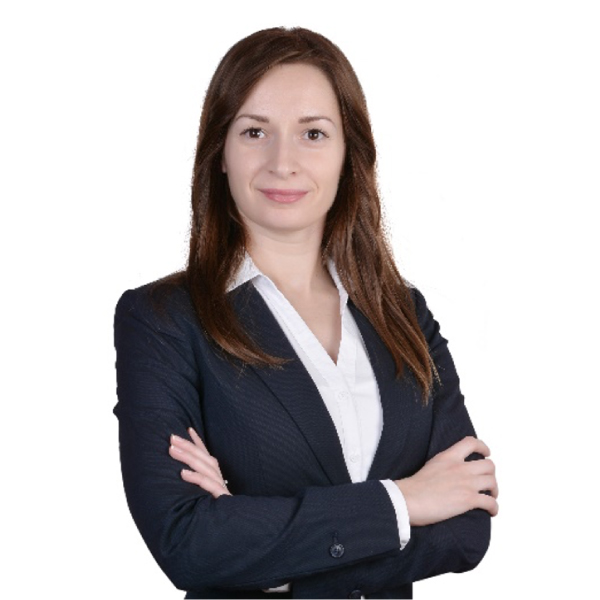
Corina has her master’s degree in Cognitive Behavioral Therapy and has been working in the Mental Health field since 2007. She believes that therapy is a collaborative process and she kindly guides clients to increase self-awareness, gain new perspectives, decrease symptoms, and increase personal strengths to have a more meaningful life experience.
Throughout her career, Corina has worked with adults, adolescents, and children, across various settings, including private practice and outpatient primary care clinics, in Romania, Spain and UAE. She has been working as a psychologist in the Emirates since 2017, in Abu Dhabi and Dubai. Her last position was in a children’s medical center, where she had helped families overcome various challenges, such as anxiety, depression, challenging behaviors and OCD, to name a few.
Corina has extensive experience in applying various empirically-supported Cognitive Behavioral Therapies (CBT), including Acceptance and Commitment Therapy (ACT), Exposure and Response Prevention (ERP), Solution Focused Brief therapy (SFBT), Trauma Focused CBT (TF-CBT) and Motivational Interviewing (MI).
In her clinical practice, Corina delivers evidence-based treatments to individuals facing a wide range of emotional, behavioral and adjustment problems, such as:
- Anxiety Disorders
- Anger and Stress Management
- Behavioral Challenges
- Depression
- PTSD
- Self-Harm Behavior
- Grief and Loss
- Obsessive- Compulsive Disorder
- Trauma
- Family and Relationship Challenges
- Low Self Esteem
- Suicide prevention
Corina uses a warm, empathetic approach to create a safe and nonjudgmental space where clients can learn, grow, and achieve their goals. She makes sure to offer flexibility, meet the individuals where they are, and have patience to help each individual feel secure throughout the process. She always encourages open communication regarding the course of therapy and goal achievement.
Education:
- Master Degree in Cognitive Behavioral Therapy, Bucharest, Romania
- Bachelor’s Degree in Psychology, Bucharest, Romania
Board Certifications:
- Community Development Authority License (CDA), Dubai, UAE
- Romanian College of Psychologists, Bucharest, Romania
Languages:
English, Romanian, Spanish

About
Dr.Marwa Abd El Hamid is a certified and trained psychologist with over 16 years of experience working in different countries in a variety of settings. She Specializes in Clinical and Educational Psychology. She has been associated with large hospitals, schools and corporate clients in UAE, Saudi Arabia, and Egypt in conducting sessions on various mental health issues including stress management, parenting and child development, and mindfulness for holistic wellbeing.
As a professional psychologist, she is continually inspired by people’s ability especially she believes deeply that the people themselves are the real experts in their own lives.
Her therapeutic approach
Cognitive behavioral therapy, Dialectic behavior therapy, Rational Emotive Behavior Therapy, Solution Focused on compassion based therapy, Gestalt Therapy, Psychoanalysis, Existential therapy as well as Psychodrama and group therapy based on the needs of the client.
Areas of Specialization for Children
- Kids & Special needs (play therapy).
- Dealing with Autism – Asperger – Down syndrome using (PECS –TEACCH –HELP –LOVAAS-INTEGRATION-PORTAGE).
- Skills development.
- Childhood Emotional disorders.
- Behavioral Problems.
- Attention difficulties.
- Developmental learning difficulties.
- Cognitive difficulties.
- Difficulties of remembering.
- Difficulties in conceptual formation.
- Difficulty solving problems.
Professional Experience
- Adjustments to life transitions like adoption, bereavement, divorce, relocation.
- Mood disorders like depression, and Bipolar disorders.
- Low self-esteem.
- Body image issues.
- Anxiety disorders like phobias, panic, OCD and PTSD.
- Pre-marital counseling and couples counseling.
- Family Conflict Therapy.
- Trauma.
- Addictions.
- Anger and stress.
- Career decisions and work-life balance.
- Mindfulness for the holistic wellbeing.
- She has also worked with Kids with special needs.
Education
- Ph.D. in psychology Ain-Shams University.
- Master in Educational Psychology Ain-Shams University.
- Special diploma in Mental Health Alexandria University.
- Professional diploma in Special Education Alexandria University.
- Educational Diploma in Education at Alexandria University.
Board Certifications or equivalent
- Community Development Authority (CDA), Dubai.
Languages
- Arabic
- English
About
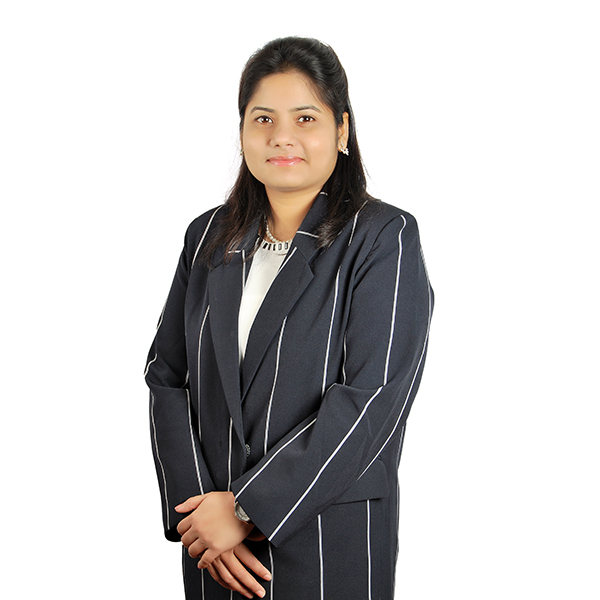
Dr. Sravani Behara, is Specialist Psychiatrist, MBBS ; MD, MRCPsych (UK) and Medical Director at LifeWorks Holistic Counselling Centre. She is experienced in managing mental health conditions across all age groups in both OP, IP settings using various pharmacological and psychological approaches.
She has also worked as an Asst. Professor in a 650 bedded tertiary care teaching hospital (Nimra Institute of Medical Sciences, India) for more than three years and one year in a Government Medical College (Siddhartha Medical college, India). He has extensive experience in handling child guidance, geriatric, de-addiction, general adult clinics.
Areas of expertise include:
- Anxiety disorders (Generalised anxiety, panic disorder)
- Phobias (social and specific phobias)
- Obsessive and compulsive disorders
- Puerperal disorders (postpartum blues, postpartum depression)
- Affective disorders (depression, BPAD, mania)
- Psychosis (schizophrenia and acute psychotic conditions)
- Stress related disorders(PTSD)
- Substance abuse disorders (alcohol, tobacco, cannabis)
- Eating disorders (anorexia and bulimia nervosa)
- Personality disorders (schizoid, borderline)
- Child psychiatry (ADHD, Autistic spectrum and bedwetting)
- Conversion disorders
- Neuropsychiatry
Qualifications & Memberships
- MBBS, MD (Psychiatry)
- DHA licensed
Languages
- English
- Hindi
- Telugu
FaQ’s
- Who is a psychiatrist? Psychiatry is the branch of medicine that is concerned with the diagnosis, treatment, and prevention of mental, emotional and behavioral disorders. A psychiatrist is a physician who specializes in mental health, including substance and other addictions.
- When should I see a psychiatrist? You should see a psychiatrist suffering from:
– Finding it hard to cope with the death of a loved one.
– Tension and anxiety and depression
– Phobias and Worthlessness
– Family and Relationship Problems
– Performance enhancement and Lack of concentration
– Chronic sadness and Guilt
– Irritability and Fatigue
- What are the major diseases that psychiatrists treat?
Psychiatrist treat disorders like anxiety disorders, depressive disorders, obsessive-compulsive and related disorders, trauma- and stressor-related disorder, sexual dysfunctions and gender dysphoria, substance-related and addictive disorders, and schizophrenia.
- Difference between a psychologist and a psychiatrist?
Psychologists focus on psychotherapy and treating emotional and mental suffering with behavioral intervention. Psychologists are also qualified to conduct psychological testing but in most cases, cannot prescribe medications to their patients.
- What happens in your first appointment with a psychiatrist?
The first appointment with a psychiatrist is usually one hour long. During your meeting, your psychiatrist listens to you talk about your concerns and symptoms, asks questions about your general health, asks about your family history, takes your blood pressure and do a basic physical check-up and might asks you to fill out a questionnaire.
About
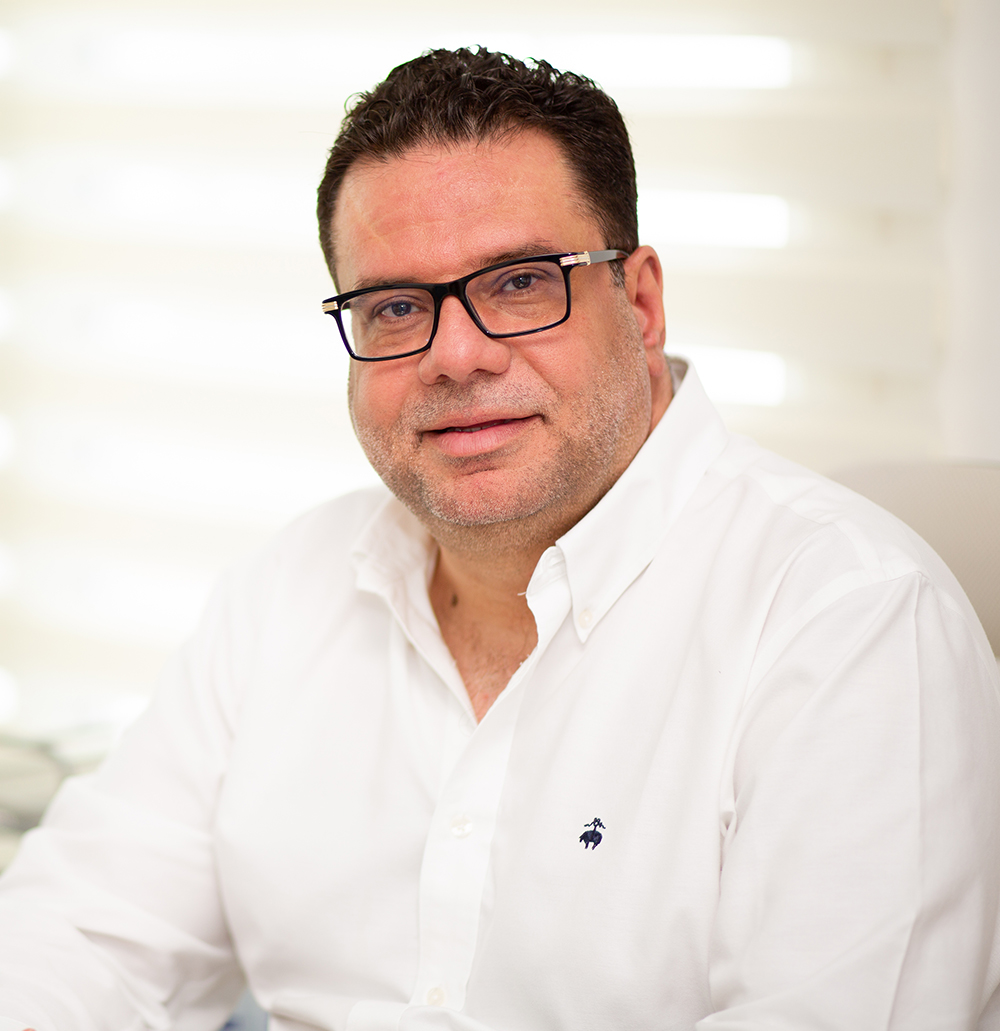
Dr. Bassem Hamed Mohamed Badr is an Egyptian Consultant Psychiatrist and Fellow of American Psychiatric Association, with 25 years of experience. He graduated from Alexandria University in 1993 with MBBch in Medicine, he then went to on to complete further education with a Diploma of Psychiatry and Addiction Practice, Master of Science in Neuropsychiatry, Diploma in Mental Health, Diploma in Hospital Administration and then ultimately received his Medical Doctorate in Psychiatry in 2008 at the University of Suez Canal in Egypt. He is also licensed as Aeromedical examiner: GCAA, General Civil Aviation Authority
Dr Bassem Badr provides comprehensive care for patients of all ages. He believes that the best outcomes are achieved through a combination of professional excellence and an empathic approach. As an expert in the field of general and adult psychiatry, he adopts an approach that is based on a combination of the psyche, the soma, and the spirit through both scientific and philosophical overviews.
Professional Experience
Not only has Dr. Bassem worked in Senior Roles in Hospitals in Dubai, Kuwait, and Egypt but he has also been a Lecturer and Professor at several Educational Institutes, a peer to peer speaker and a coordinator for various addiction treatment programs. He has contributed to scientific research in a number of medical journals. He is also a talented writer in the field of social and psychological problems and has had many publications in reputable newspapers and magazines.
Areas of Specialization
- Depression
- Grief
- Adjustment disorders
- Sleeping and eating disorders
- Panic attacks and anxiety disorder
- Obsessive compulsive disorders
- Schizophrenia
- Personality disorders
- Substance use and drug addiction
- Marital and sexual disorders
- Manic depressive disorder
- Dementia
- Cognitive disorders
- Memory disturbance
- Phobias
- Bipolar diseases